上海国际建筑节 | 数智共生・健康共栖——
2026 数字健康空间设计与实践论坛圆满举办

(以下文章来源于下一代建筑TheNextArchitecture ,作者Helen Yao )
2026年3月31日,“数智共生・健康共栖——2026数字健康空间设计与实践” 论坛在上海新国际博览中心圆满举行。本次论坛作为上海国际建筑节重要专题活动,紧扣住建部“好房子”建设战略方向,以安全、舒适、绿色、智慧为核心,聚焦数字技术与健康人居深度融合,汇聚国内外建筑设计、装配式建造、绿色材料、智能科技、城市更新等领域权威专家,共同探索未来人居创新路径与落地实践。
On March 31, 2026, the forum themed “Intelligent Symbiosis & Healthy Co-living — 2026 Forum on Digital Health Space Design and Practice” was successfully held at Shanghai New International Expo Centre.As a key special event of the Shanghai International Architecture Festival, the forum closely aligned with the Ministry of Housing and Urban-Rural Development’s strategy of building “quality housing”. Centering on safety, comfort, environmental sustainability and intelligence, it focused on the in-depth integration of digital technologies and healthy human settlements. The event gathered leading experts from home and abroad in the fields of architectural design, prefabricated construction, eco-friendly materials, smart technology and urban renewal, to jointly explore innovative approaches and practical implementation solutions for future living environments.
论坛由中国建筑装饰协会城市更新和数字技术分会、空间感知共体(Space View)联合主办,围绕人机共生、数智设计、城市更新、装配式集成、智能建造、健康酒店、全球化出海等议题展开深度分享,搭建起政策、学术、设计、产业、数字建造全链条协同平台,明确未来健康空间将走向数智化、装配化、绿色化、人本化、全球化的发展方向。
Co-hosted by the Urban Renewal and Digital Technology Branch of China Building Decoration Association and Space View Community, the forum delivered in-depth sharing on topics including human-machine symbiosis, digital intelligent design, urban renewal, prefabricated integration, intelligent construction, healthy hotels and global overseas expansion. It has built a full-chain collaborative platform covering policies, academia, design, industry and digital construction, clarifying that future healthy spaces will evolve toward digitalization, prefabrication, eco-friendliness, human-orientation and globalization.
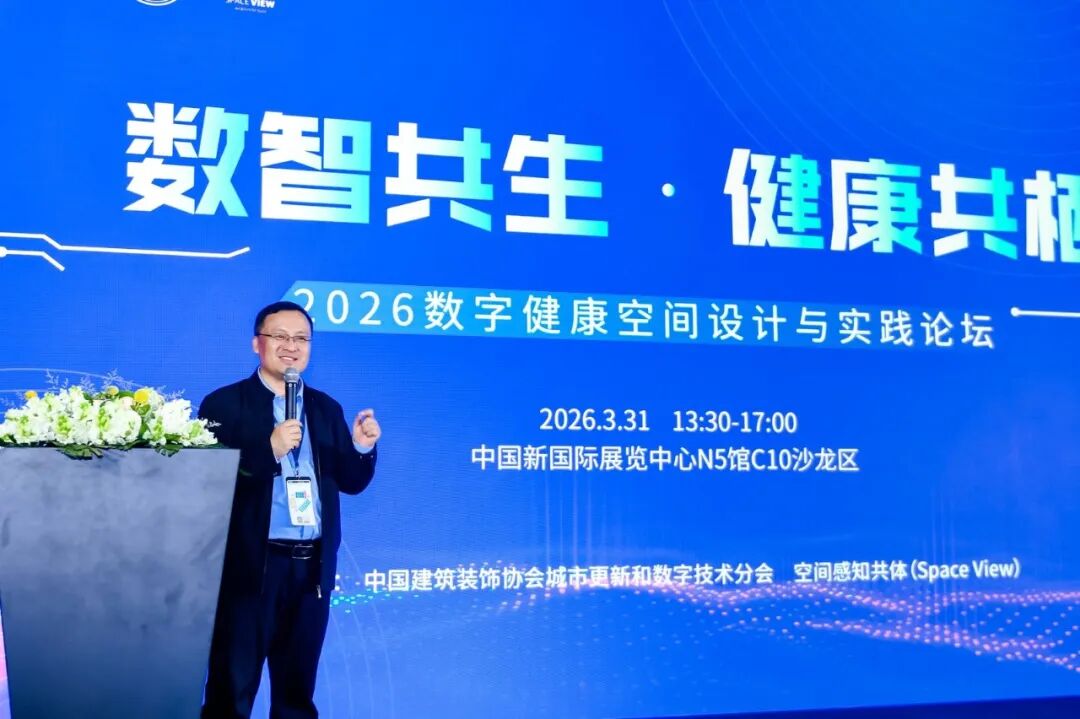
中国建筑装饰协会城市更新和数字技术分会秘书长吴恩振在论坛致辞中表示,本次活动汇聚全产业链智慧合力,有效打通行业上下游壁垒,推动数字健康装修理念从概念走向实际空间落地。未来,行业将以健康空间理念引领实践,以标杆示范带动整体提升,持续深耕数字健康装修领域,全面赋能城市更新与人居环境品质升级,携手共筑数智共生、健康共栖的建筑产业新生态,不断满足人民群众对美好生活的向往,助力行业实现高质量发展。
This forum has pooled the wisdom and strength of the entire industrial chain, effectively broken down barriers between upstream and downstream sectors, and advanced the concept of digital-health decoration from conception to practical spatial implementation. Going forward, the industry will be guided by the vision of healthy spaces, drive overall improvement through benchmark demonstrations, continue to deepen the digital-health decoration sector, and fully empower urban renewal and the upgrading of living environment quality. Together, we will foster a new ecosystem for the construction industry featuring digital-intelligence symbiosis and healthy coexistence, continuously fulfill people’s aspirations for a better life, and support the industry in achieving high-quality development.
01
ONE
观点荟萃 多维分享共探创新路径
Diverse Insights Gathered, Multi-dimensional Sharing to Explore Innovative Paths

上海·新国际博览中心
2026.3.31
本次论坛作为上海国际建筑节重要专题活动,来自同济大学建筑与城市规划学院、上海大小建筑设计事务所、荷兰著名INBO 事务所、万华生态 | 海众集成房屋、中建深装、空间感知共体(Space View)、中建东方装饰、北京市住宅产业化集团等八位重要演讲嘉宾,为论坛带来高水准的专业分享。
This forum focuses on the deep integration of digital technology and healthy living, gathering authoritative experts in architectural design, prefabricated construction, green materials, intelligent technology, urban renewal and other fields from home and abroad to jointly explore innovative paths and practical implementation of future living.
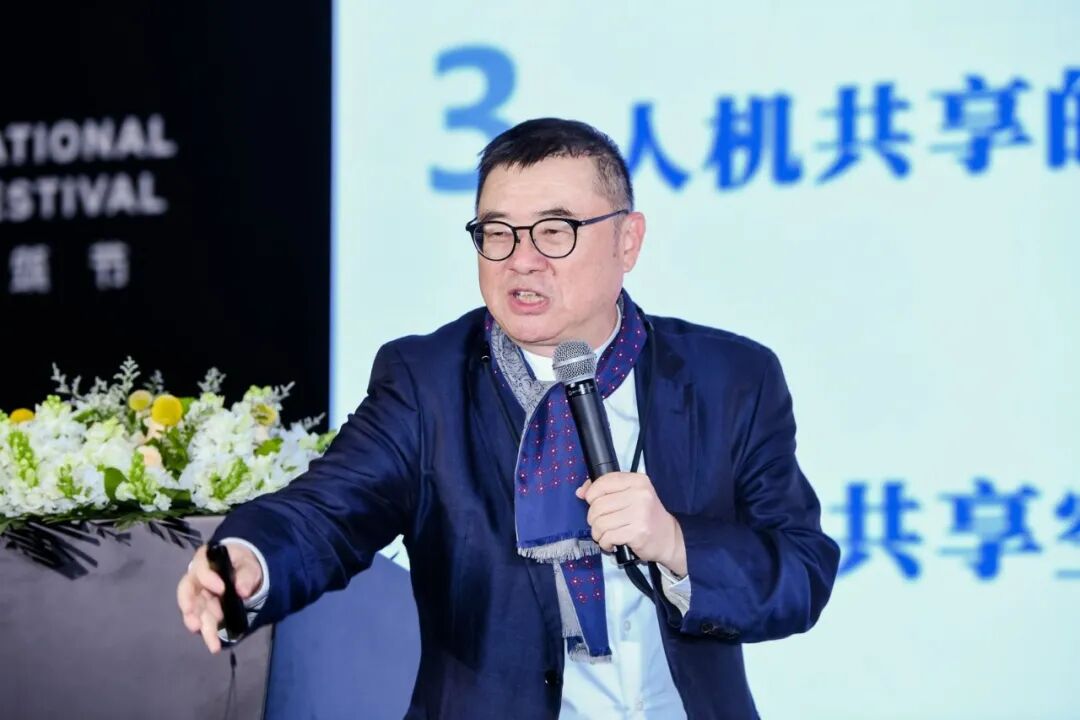
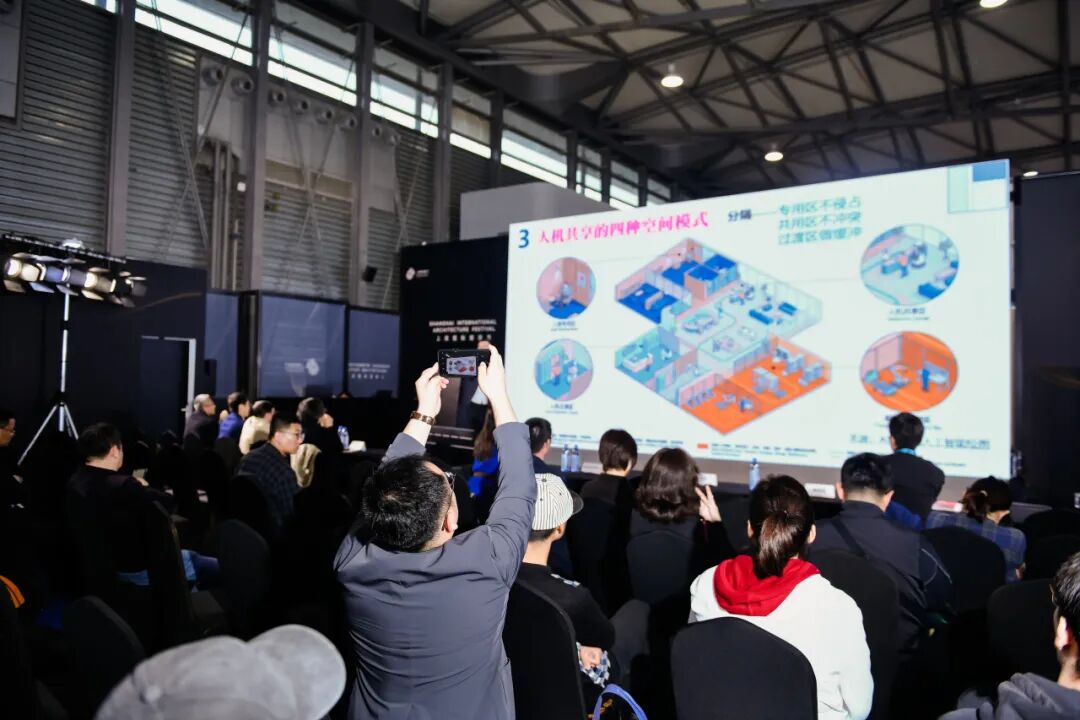
《人与机器人在建筑中的共享》|同济大学建筑与城市规划学院学术委员会副主任、教授、原院长李振宇
Shared Spaces of Humans and Robots in Architecture | Li Zhenyu, Professor, Former Dean and Deputy Director of the Academic Committee, College of Architecture and Urban Planning, Tongji University
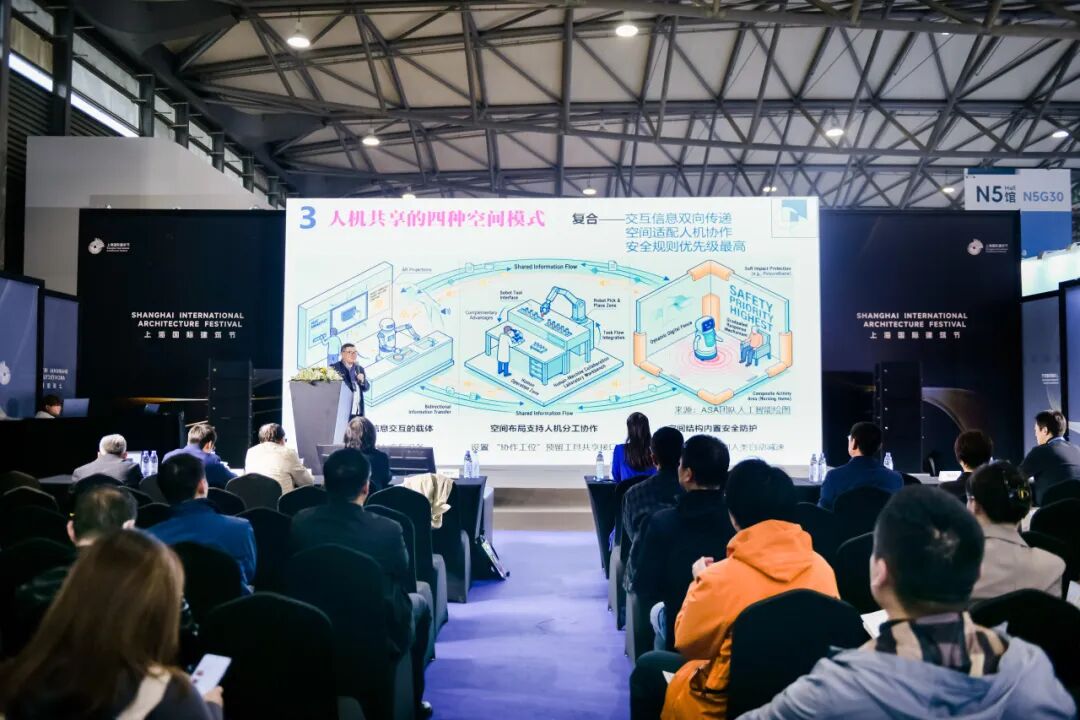
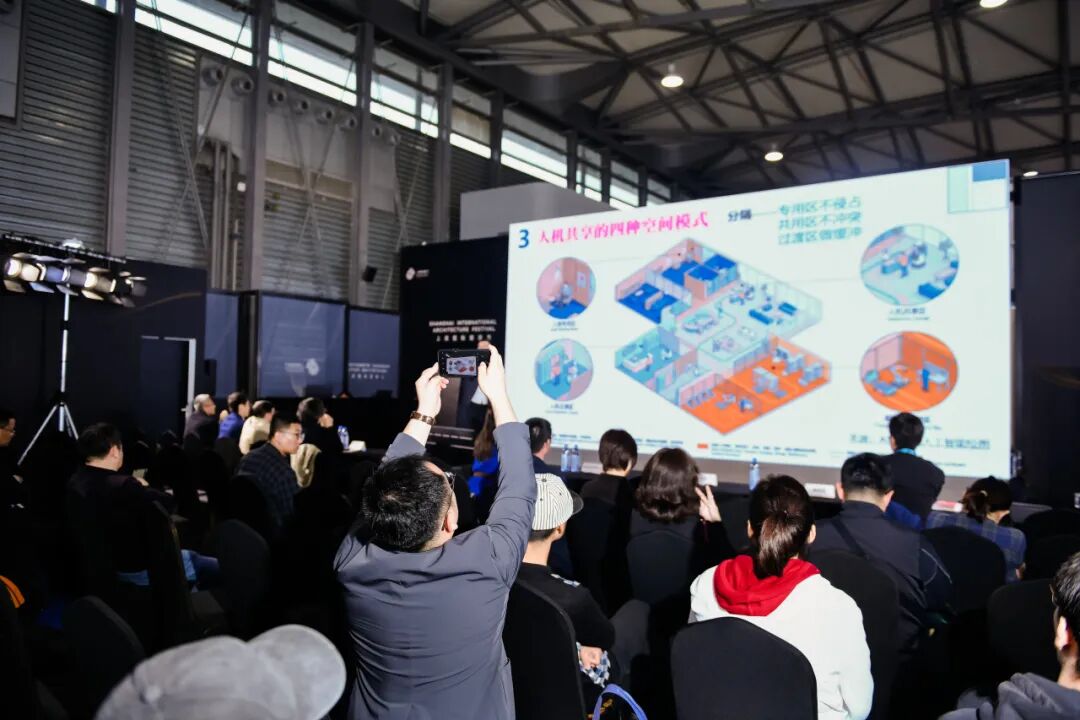
同济大学建筑与城市规划学院李振宇教授做主旨演讲。他提出,人机共享时代已经到来,机器人正快速进入民用建筑场景,未来建筑必须围绕机器人的尺度、动线、感知系统、安全需求进行系统性重构。他系统阐释了分隔共享、分层共享、分时共享、复合共享四种人机共享模式,并从物质协同、语义协同、伦理协同三个层面指出,建筑空间需要在尺度设计、通行流线、视觉界面、安全防护、隐私保护等方面全面适配人机共存需求。他认为,未来空间将从传统的物理“容器”转向智能“界面”,建筑设计将正式迈入面向机器人、兼容人机行为的可接纳设计与通用设计新阶段。
Professor Li Zhenyu from the College of Architecture and Urban Planning, Tongji University, delivered a keynote speech. He pointed out that the era of human-robot co-sharing has arrived, and robots are rapidly being applied in civil building scenarios. Future architecture must undergo systematic reconstruction tailored to robots’ dimensional standards, circulation lines, perception systems and safety requirements.He systematically illustrated four human-robot sharing modes: separated sharing, layered sharing, time-sharing and composite sharing. From three dimensions of material coordination, semantic coordination and ethical coordination, he emphasized that architectural spaces need to fully adapt to the demands of human-robot coexistence in terms of dimensional design, traffic circulation, visual interface, safety protection and privacy protection.In his view, future spaces will evolve from traditional physical “containers” to intelligent “interfaces”, and architectural design will enter a new stage of inclusive design and universal design that accommodates robots and integrates human and robotic behaviors.
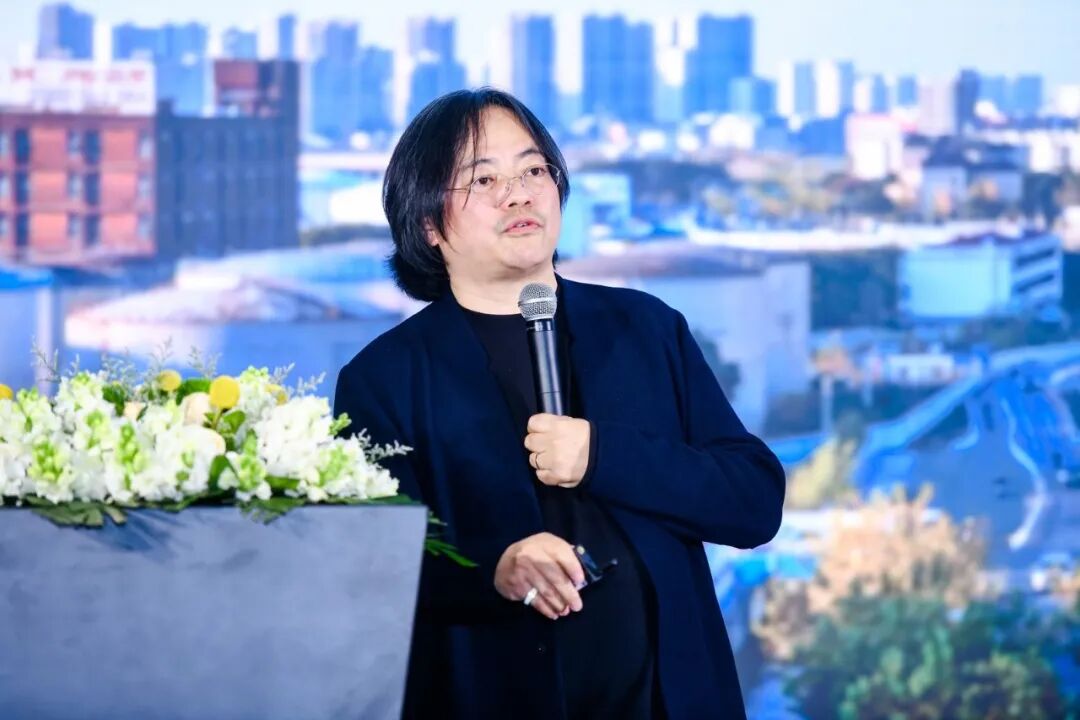
《数智融合的大小建构》|上海大小建筑设计事务所主持建筑师,一级注册建筑师(中国)、英国皇家建筑师学会特许建筑师李瑶
Construction in Scale via Digital-Intelligent Integration|Li Yao, Principal Architect of Daxiao Architects, First-Class Registered Architect (China), Chartered Architect of the Royal Institute of British Architects
上海大小建筑设计事务所主持建筑师李瑶在演讲中指出,建筑设计需从行业视角转向使用者视角,实现“从有到精 的品质升级。他将东方阴阳哲学与数字0/1逻辑深度融合,以传统营造哲学为根基,用 BIM、智能控制等现代技术转译当代空间语言。演讲结合北京煜邦电力大楼、张江医疗器械基地、西岸众腾大厦、南通星湖城市广场等实践案例,阐释技术与人文共生、功能与美学平衡、个体体验与城市价值相统一的时代精神,让空间真正服务于人、适应未来。
Li Yao, Principal Architect of Daxiao Architects, noted in her speech that architectural design should shift from an industry-oriented perspective to a user-centric one, achieving quality upgrading from adequacy to refinement. She integrated Eastern Yin-Yang philosophy with digital 0/1 logic. Rooted in traditional construction philosophies, she adopts modern technologies such as BIM and intelligent control to interpret contemporary spatial language.Combining practical projects including Beijing Yubang Power Building, Zhangjiang Medical Device Base, West Bank Zhongteng Mansion and Nantong Xinghu City Plaza, her presentation illustrated the contemporary spirit of coexistence between technology and humanity, balance of function and aesthetics, and integration of individual experience and urban value, enabling spaces to truly serve people and adapt to future demands.
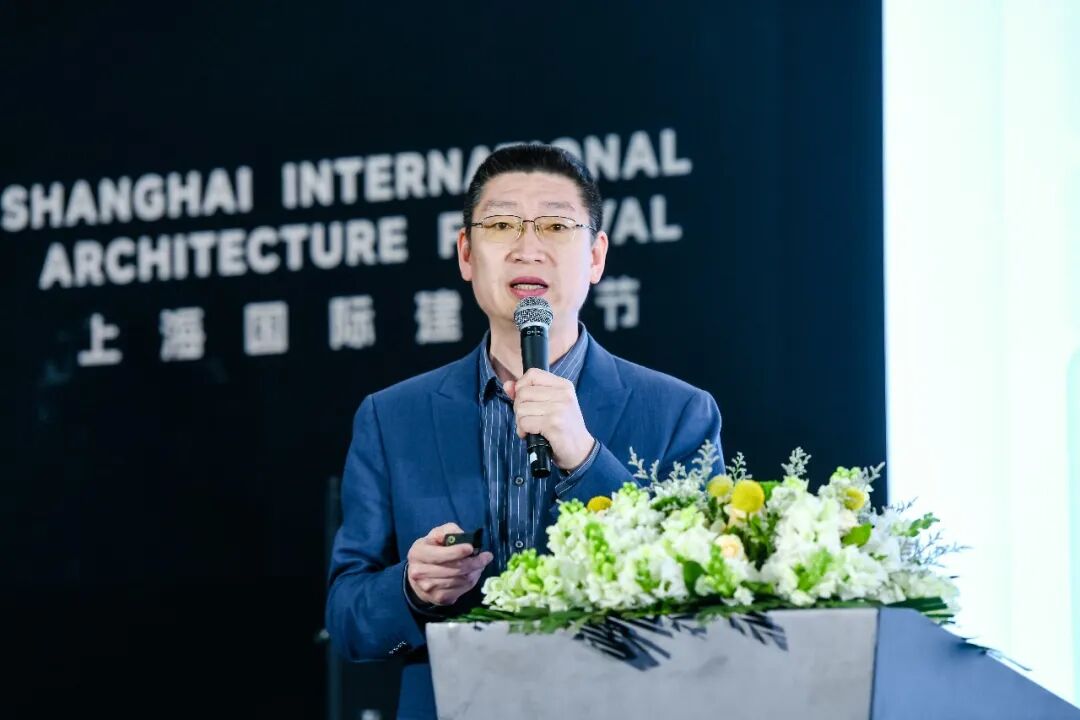
《科技全场景赋能:酒店数字健康空间的打造与运营升级》|万华生态海众集成房屋科技有限公司刘屹
Full-scenario Empowerment through Technology: Creation and Operation Upgrade of Digital Healthy Spaces in Hotels|Liu Yi, Wanhua Eco Haizhong Integrated Housing Technology Co., Ltd.
万华生态海众集成房屋刘屹聚焦酒店健康空间,提出以无醛绿色材料、工业化内装、数字智能平台三位一体,实现健康旅居、无接触服务与高效运营,为老旧酒店改造与城市更新提供一站式解决方案。他所分享的智能运营平台可实现自动续住、智能设备控制、洗衣预约、防差评预警、能耗精细化管理等功能,显著提升运营效率、降低运营成本,同时为老旧酒店改造与城市更新提供“绿色+智能+金融”一体化解决方案。
Focusing on hotel healthy spaces, Liu Yi from Wanhua Eco Haizhong Integrated Housing put forward a three-in-one development system featuring aldehyde-free green materials, industrial interior decoration and digital intelligent platform. The system enables healthy travel accommodation, contactless services and efficient operation, delivering one-stop solutions for old hotel renovation and urban renewal.The intelligent operation platform shared in his speech supports multiple functions including automatic room extension, smart device control, laundry reservation, negative review early warning and refined energy consumption management. It effectively boosts operational efficiency and cuts operating costs. Meanwhile, it provides an integrated solution of “green development + intelligence + financial support” for old hotel renewal and urban regeneration.
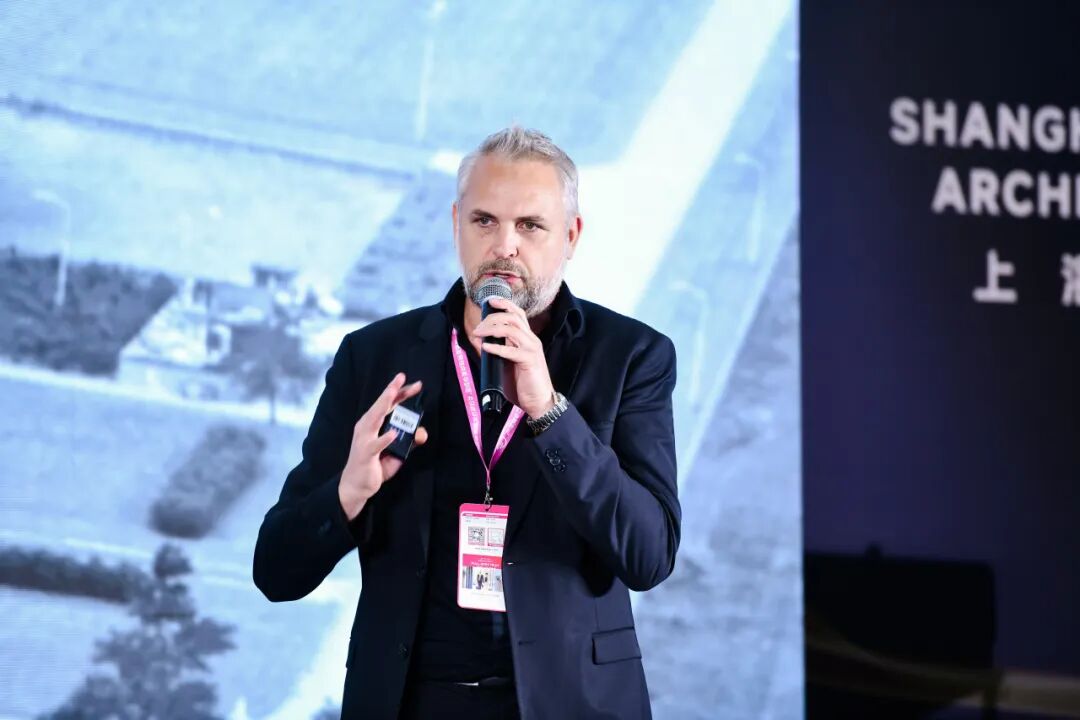
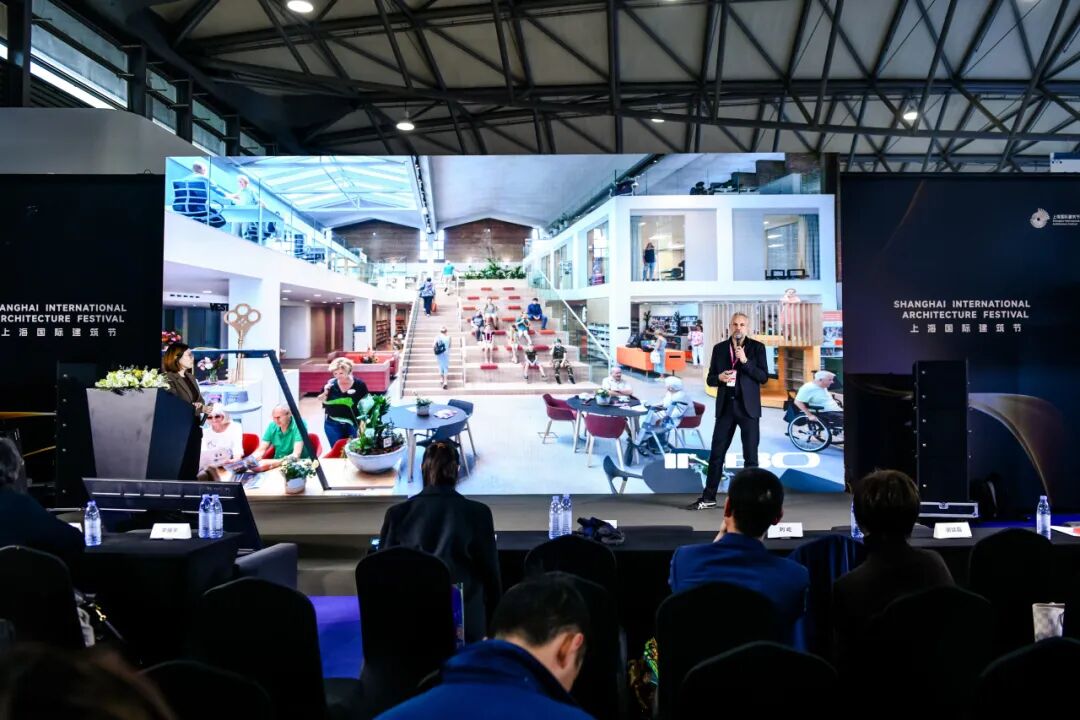
《以人为本的空间 —— 通过城市更新塑造充满活力的城市生活》|INBO 亚太区总裁、荷兰注册建筑师Mark Dekker
Human-Centered Space: Shaping Vibrant Urban Life Through Urban Renewal| Mark Dekker, Asia Pacific President of INBO, Registered Architect (Netherlands)
荷兰INBO建筑设计事务所亚太区总裁 Mark Dekker以国际化视野分享城市更新的前沿理念。他提出,城市更新的核心并非单纯改造建筑本体,而是重构人与人、人与空间之间的交流生态。他结合荷兰埃因霍温高科技园区等经典实践,提出“硬件+软件+斡件”的设计理论,指出80%的创新产生于办公室之外的非正式交流场景,城市更新的本质是创造能够促进相遇、激发活力、鼓励交往的人本公共空间,通过慢性优先、功能混合、开放界面营造有温度的城市生活场景。
Mark Dekker, Asia Pacific President of INBO Architecture, shared cutting-edge concepts of urban renewal from an international perspective. He proposed that the core of urban renewal lies not in the mere renovation of buildings, but in reconstructing the communication ecology between people, and between people and spaces.Drawing on classic practices such as Eindhoven High Tech Campus in the Netherlands, he put forward the design theory of “Hardware + Software + Orgware”. He pointed out that 80% of innovations originate from informal communication scenarios beyond offices. The essence of urban renewal is to create human-oriented public spaces that facilitate encounters, vitalize daily life and encourage social interaction.By prioritizing slow mobility, promoting mixed-use development and designing open interfaces, we can build warm and vibrant urban living scenes.
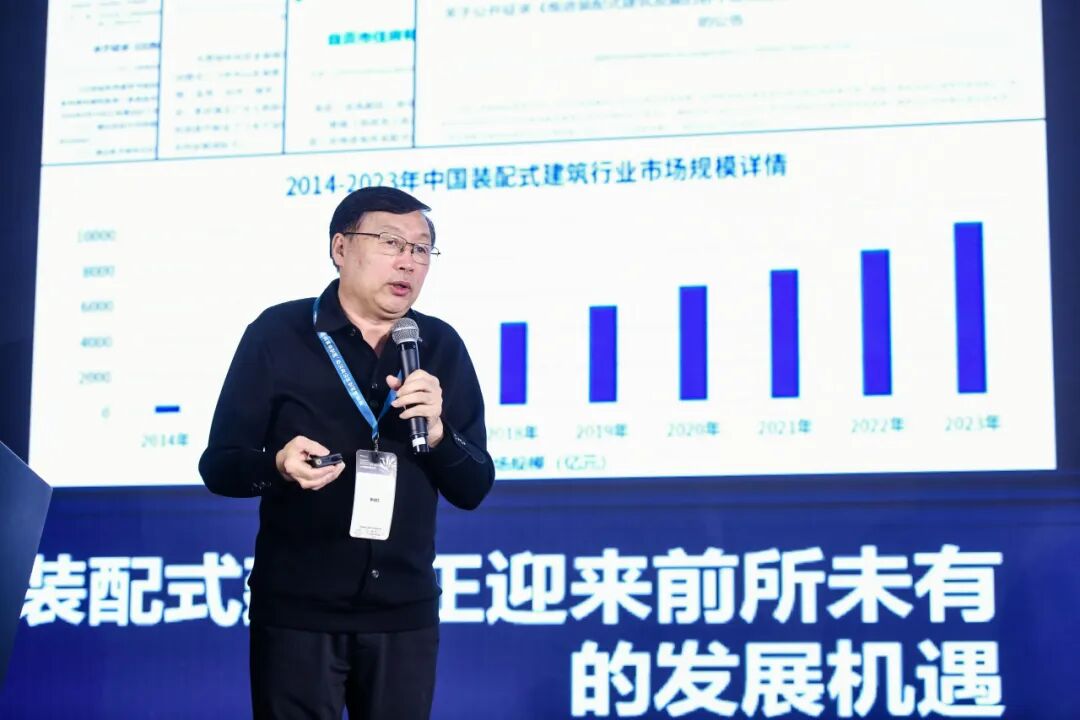
《装配式制造与产品创新》|中国亚洲经济发展协会绿建委副秘书长,中建深装装配式建筑特聘专家姜成红
Prefabricated Manufacturing and Product Innovation| Jiang Chenghong, Deputy Secretary-General of Green Building Committee, China-Asia Economic Development Association; Distinguished Expert for Prefabricated Buildings, CSCEC Decoration
中国亚洲经济发展协会绿建委副秘书长,中建深装装配式建筑特聘专家姜成红围绕数字化制造与产品创新展开专业分享。他强调,装配式建筑智造必须坚持符合建筑逻辑,建筑师主导跨界人才团队。他分享了镁基轻质高强材料、叠箱式模块、嵌入式模块、高层模块化建造等创新技术体系,可实现高抗震性能、毫米级安装精度、无脚手架施工与快速交付,并指出接口标准化、部件系统化、装配精准化是高品质装配式健康空间落地的关键所在。
Jiang Chenghong delivered a professional sharing on digital manufacturing and product innovation. He emphasized that the intelligent manufacturing of prefabricated buildings must conform to architectural logic, with architects leading cross-disciplinary teams.He introduced innovative technical systems including magnesium-based lightweight and high-strength materials, stacked box modules, embedded modules, and high-rise modular construction. Such solutions deliver high seismic resistance, millimeter-level installation accuracy, scaffold-free construction and rapid project delivery. He also noted that standardized interfaces, systematic components and precise assembly are the core keys to the implementation of high-quality prefabricated healthy spaces.
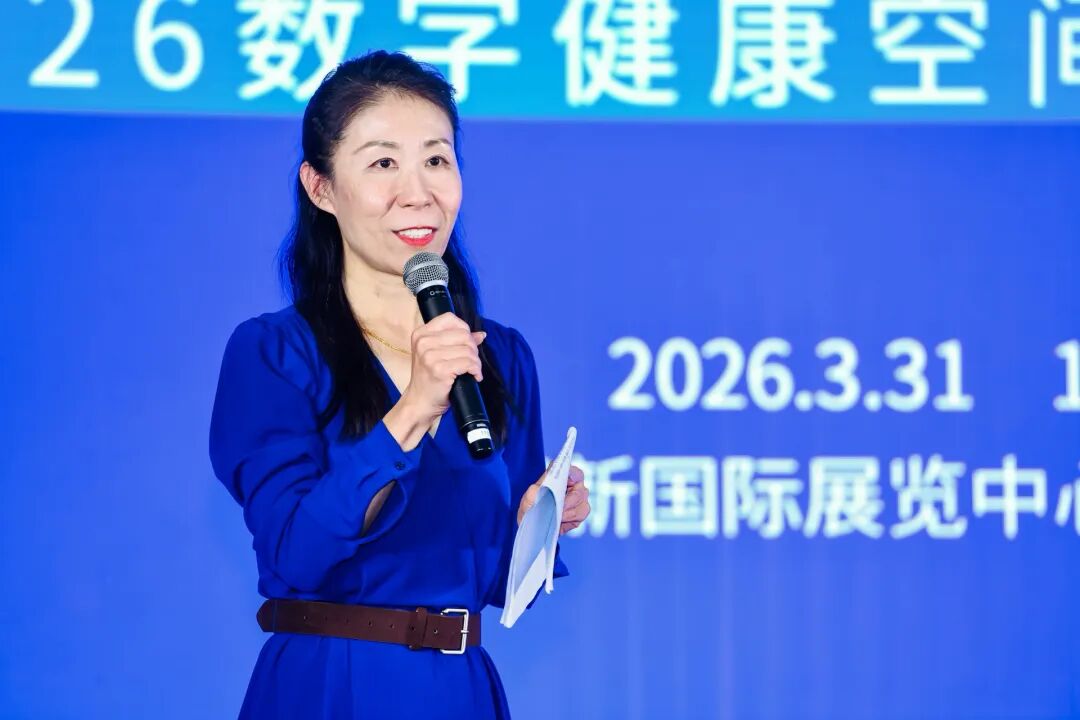
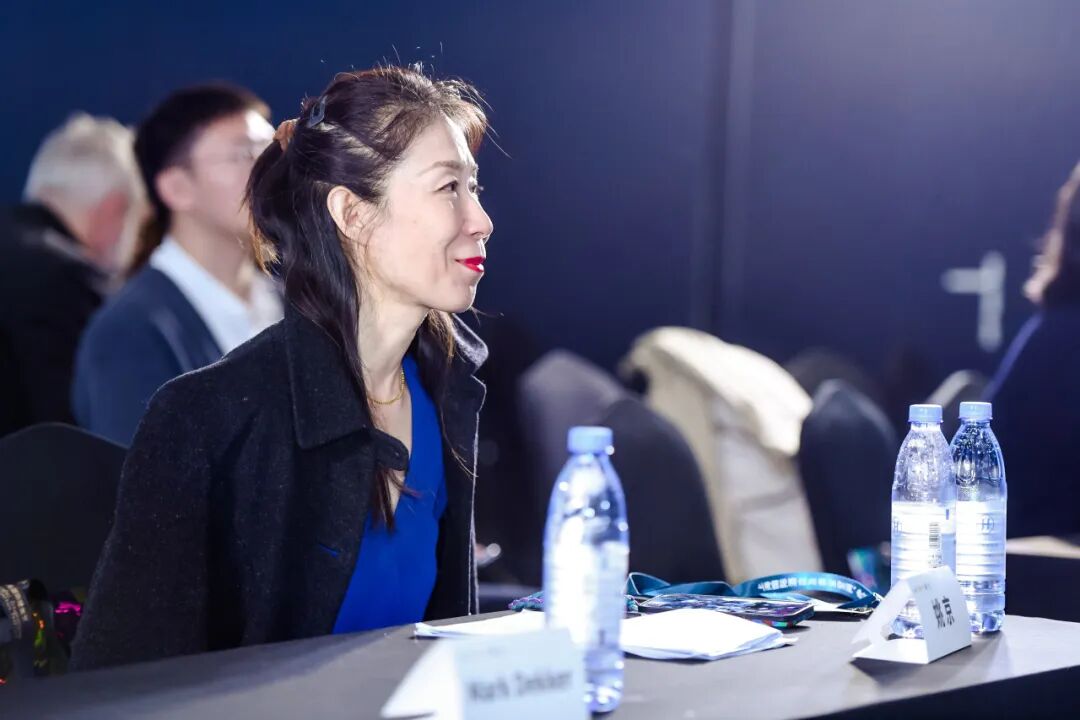
《科技艺术双赋能,装配式技术的全球化出海与空间创新》|Space View空间感知共体联合创始人姚京
Dual Empowerment of Technology and Art: Global Expansion and Spatial Innovation of Prefabricated Construction Technology| Yao Jing, Co-founder of Space View
Space View空间感知共体联合创始人姚京指出,装配式建筑并非千篇一律的标准化产品,而是以设计为引领、科技为支撑、美学为底色的高品质空间产品。她提出Space View作为平台正搭建“设计引领+供应链整合(以创新研发为动能)+本地落地服务”三位一体的出海模式,以本地化的设计中心为支点,推动中国装配式技术、产品与体系深度适配海外规范与本地生活方式,面向高端住宅、康养、文旅、保障房等市场实现全球化落地,让中国建造的技术优势结合设计艺术与科技,转化为面向国际的价值优势和品牌优势。
Yao Jing, Co-founder of Space View, pointed out that prefabricated buildings are not stereotyped standardized products, but high-quality spatial creations led by design, supported by technology and underpinned by aesthetics.She stated that, as an open platform, Space View is building a three-in-one global expansion model featuring design leadership, integrated supply chain driven by innovative R&D, and localized delivery services. Leveraging local design centers as pivotal hubs, the platform helps China’s prefabricated technologies, products and systems fully adapt to overseas codes and local lifestyles.It promotes global implementation across high-end residential, senior care, cultural tourism and affordable housing sectors. By integrating the technical strengths of Chinese construction with design, art and cutting-edge technology, it translates domestic advantages into international value and brand competitiveness on the global stage.
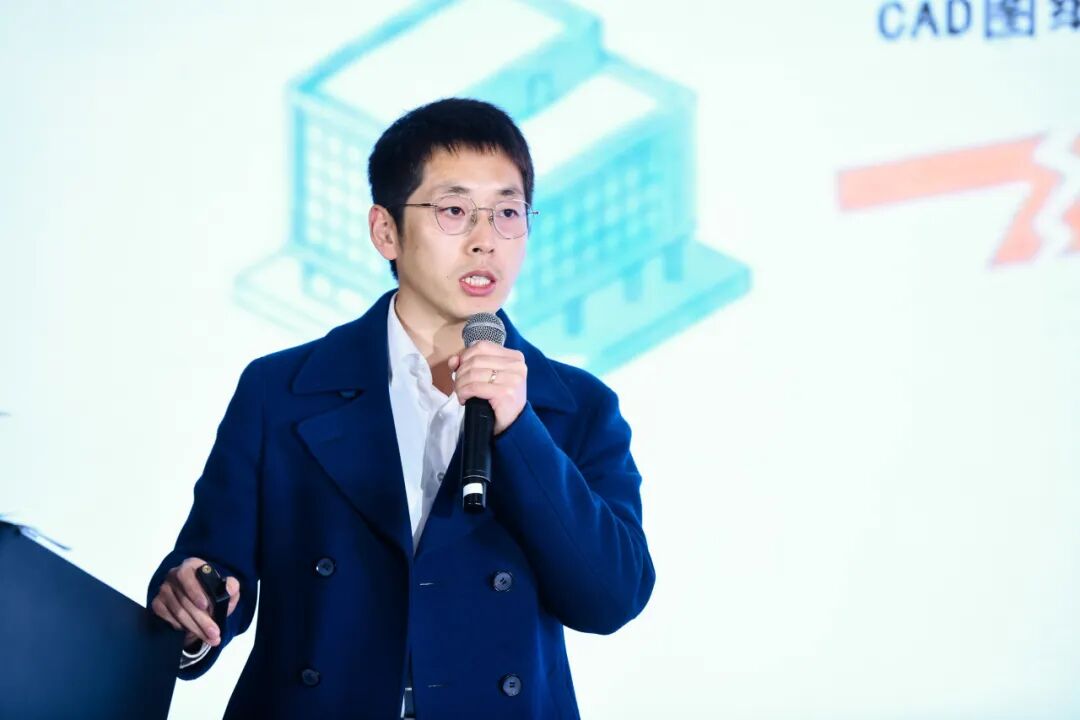
《以“数字底座”重构装饰产业,共建智能建造新未来》|中建东方装饰科技与设计管理部执行经理、机器人研究院院长郭志坚
Reconstructing the Decoration Industry with a “Digital Foundation” to Build a New Future of Intelligent Construction| Guo Zhijian, Executive Manager of Technology & Design Management Department, Dean of Robotics Research Institute, CSCEC Oriental Decoration
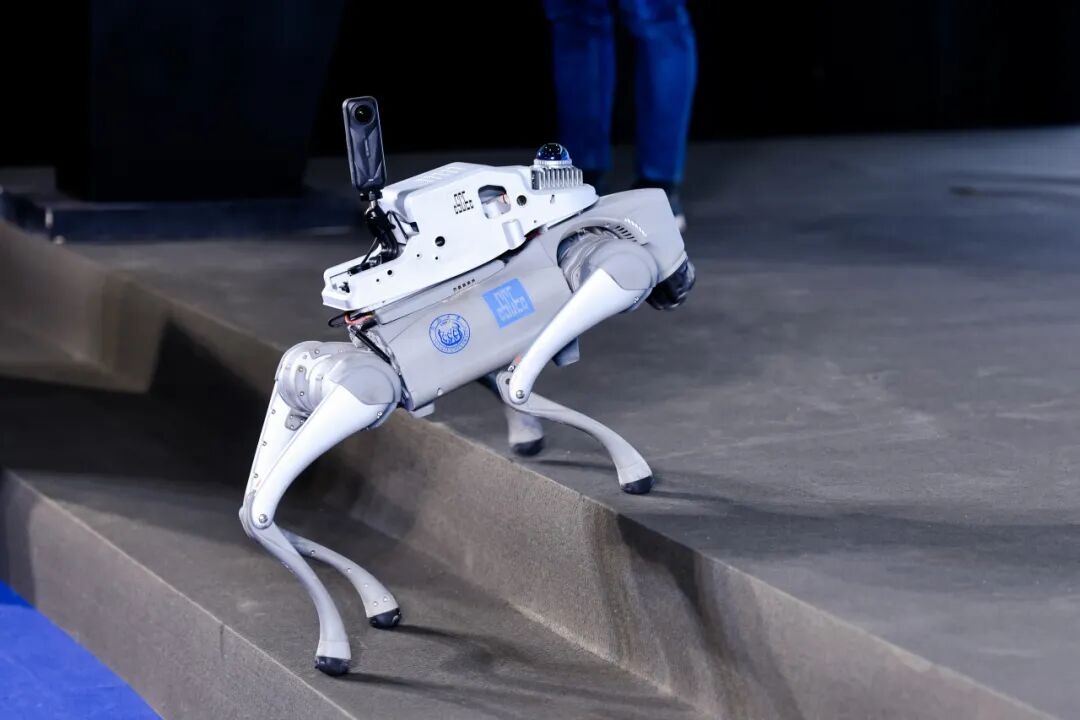
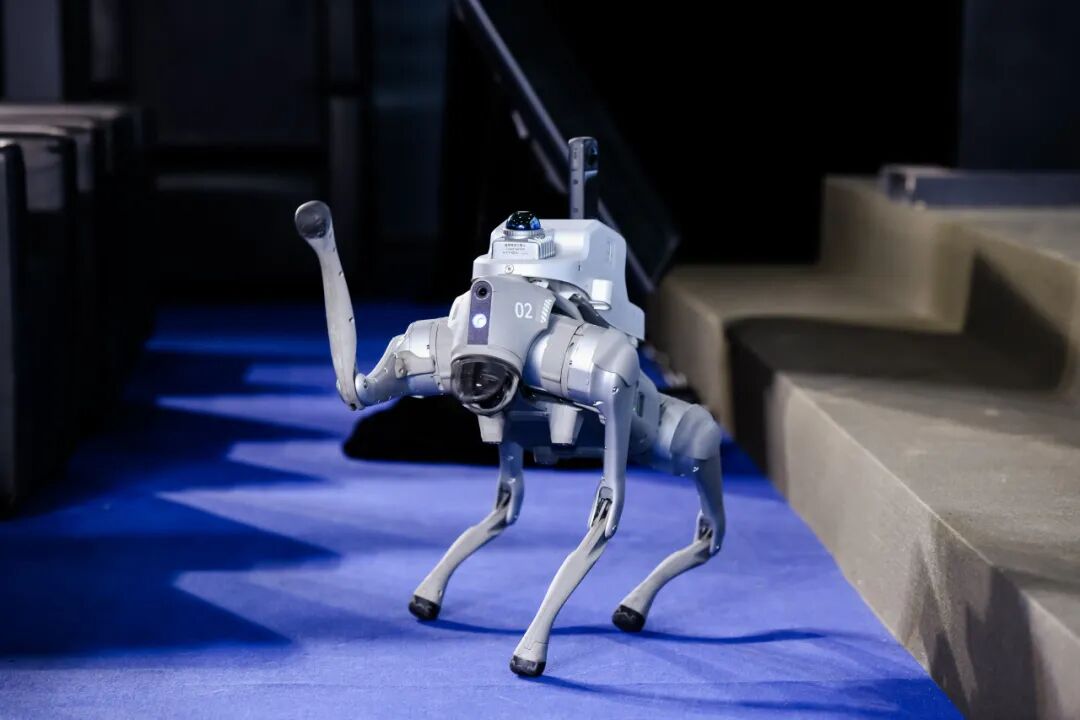
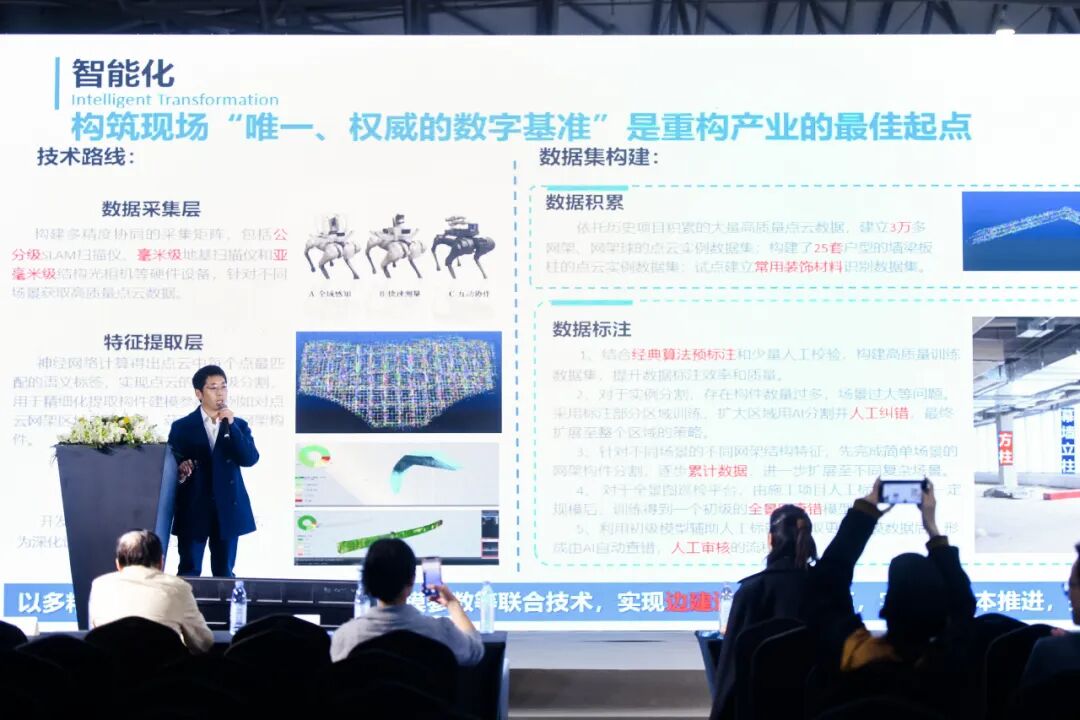
中建东方装饰机器人研究院院长郭志坚在演讲中指出,传统装饰行业长期面临手工测量、非标生产、信息孤岛、精度不足等痛点,必须以数字底座重构全产业逻辑。他系统介绍了由三维激光扫描、BIM 建模、工厂预制、机器人放线、装配化施工构成的毫米级高精度闭环体系,并分享巡检狗、扫描狗、质检狗等智能机器人在数据采集、精度核验、数字孪生、运维监测中的实际应用,推动装饰行业走向无电、无焊、无尘、高精度、高效率、柔性定制的智能建造新时代。
Guo Zhijian, Dean of the Robotics Research Institute at CSCEC Oriental Decoration,stated in his speech that the traditional decoration industry has long been plagued by pain points such as manual measurement, non-standard production, information silos and insufficient precision. It is imperative to restructure the entire industrial logic through a solid digital foundation.He systematically introduced a millimeter-level high-precision closed-loop system composed of 3D laser scanning, BIM modeling, factory prefabrication, robot setting-out and prefabricated construction. He also shared the practical application of intelligent robots including inspection robots, scanning robots and quality inspection robots in data collection, precision verification, digital twin and operation & maintenance monitoring.Such practices drive the decoration industry toward a new era of intelligent construction featured by electricity-free operation, welding-free work, dust-free construction, high precision, high efficiency and flexible customization.
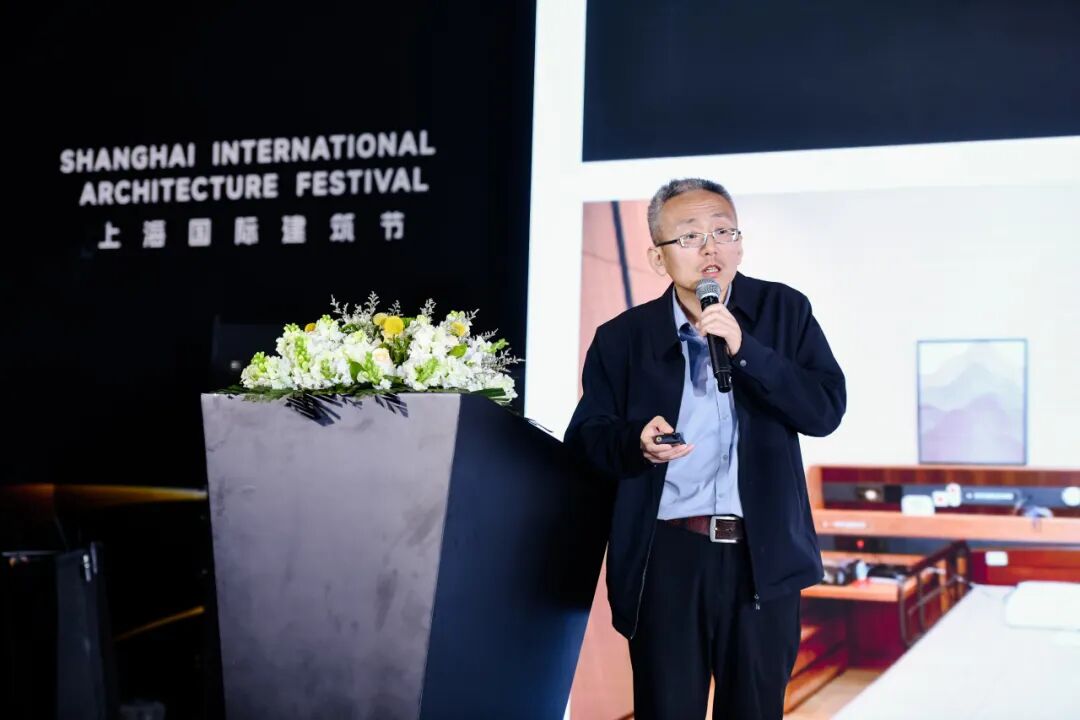
《云栖筑远・智启新境》|北京市住宅产业化集团股份有限公司设计研究院结构所所长韦振飞
Embracing Distant Architecture with Cloud Wisdom, Ushering in a New Intelligent Realm|Wei Zhenfei, Director of Structural Department, Design & Research Institute, Beijing Housing Industrialization Group Co., Ltd.
北京市住宅产业化集团股份有限公司设计研究院结构所所长韦振飞以“云栖宅”为案例,介绍模块化建造、全屋智能控制、绿色能源及适老化设计等技术应用,展现工业化建造在提升居住品质、实现低碳舒适方面的优势。他提到,快速拼装、空间灵活适配等特点,让相关产品可服务于城市更新、旅居康养及海外住宅建设等场景。未来将继续推进住宅产业化,以技术创新优化居住体验,推动绿色智慧建筑落地与应用。
Wei Zhenfei, Director of the Structural Department of the Design and Research Institute at Beijing Housing Industrialization Group, took the Cloud Dwelling project as a case study to illustrate the application of modular construction, whole-house intelligent control, green energy and age-friendly design. He demonstrated the strengths of industrialized construction in improving living quality and delivering low-carbon, comfortable living environments.He mentioned that featuring rapid assembly and flexible spatial adaptation, such products can be applied to urban renewal, resort & health care settlements, overseas residential development and other scenarios. Moving forward, the enterprise will further advance housing industrialization, optimize living experience through technological innovation, and accelerate the implementation and popularization of green and intelligent buildings.
02
TWO
共识凝聚 锚定行业发展新方向
Consensus Reached, Anchoring New Directions for Industrial Development
设计引领是核心,技术支撑是关键,材料赋能是基础,健康人本是底线,数智驱动是未来
本次论坛凝聚行业共识:设计引领是核心,技术支撑是关键,材料赋能是基础,健康人本是底线,数智驱动是未来。论坛为高品质健康空间落地、城市更新与产业升级提供了系统性实践指引,有力推动我国建筑行业迈向数智共生、健康共栖的全新未来。
Design leadership is the core, technology support is the key, material empowerment is the foundation, people-centered health is the bottom line, and digital-intelligence drive is the future.
活动花絮