
当自然以”艺术”的方式介入商业空间,它不再只是背景,而成为激发情绪、延长停留、重塑人与空间关系的核心力量。
When nature integrates into commercial spaces in an artistic way, it is no longer merely a backdrop, but a core force that evokes emotions, extends dwell time, and reshapes the relationship between people and space.

盛况直击
Spectacular Highlights

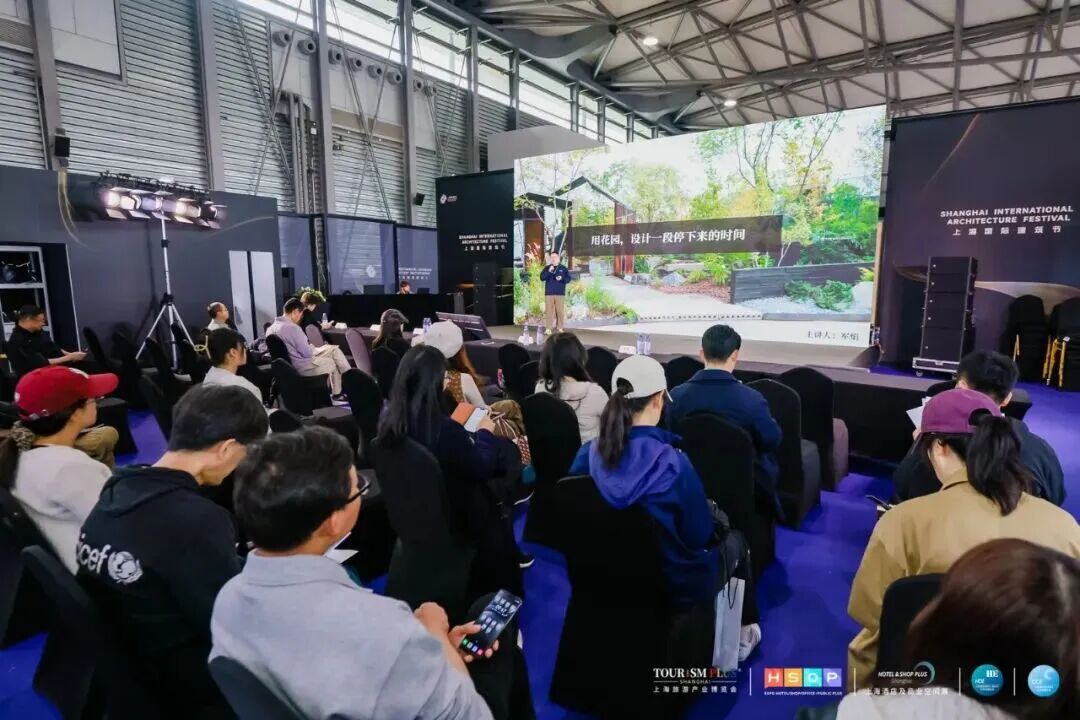
2026 年 3 月 31 日上午 9:30-12:30,上海新国际博览中心 N5 馆沙龙区 A,一场关于自然、艺术与商业空间深度融合的思想盛宴如期而至。
From 9:30 a.m. to 12:30 p.m. on March 31, 2026, a thought-provoking feast focusing on the in-depth integration of nature, art and commercial spaces was successfully held at Salon Area A, Hall N5, Shanghai New International Expo Centre.
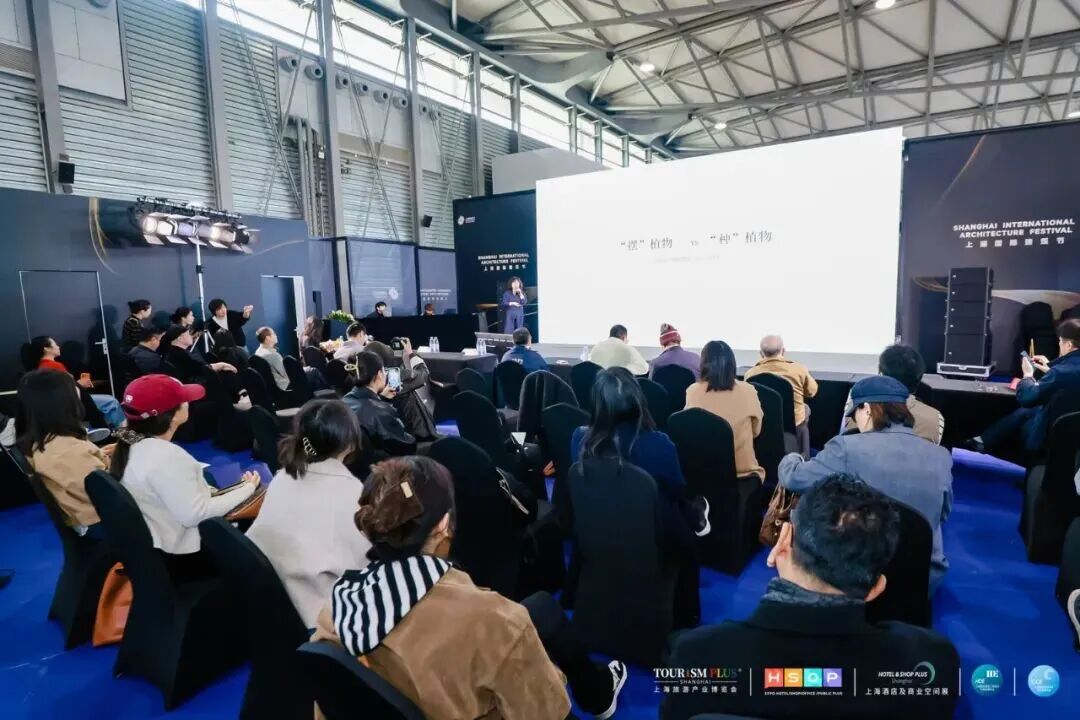
作为2026 上海国际建筑节的重要组成部分,”自然艺术×商业空间”主题论坛吸引了来自景观设计、商业地产、园艺植物、公共艺术等领域的从业者与爱好者。在三个小时的时间里,四位来自不同领域的实践者,从真实案例与一线经验出发,共同探讨:
As a key highlight of the 2026 Shanghai International Architecture Festival, the themed forum Nature & Art × Commercial Space gathered professionals and enthusiasts from landscape design, commercial real estate, horticulture, public art and other sectors. Over the three-hour session, four cross-industry practitioners shared real-world cases and frontline insights to jointly explore:
·自然如何进入城市公共空间?
How nature integrates into urban public spaces;
·如何影响人的行为与情绪?
How it influences people’s behaviors and emotions;
·又如何在不被察觉中,改变一个空间的价值结构?
And how it subtly reshapes the value structure of spaces.
这不仅是一场关于设计的讨论,更是一次关于未来生活方式的想象。
More than a design dialogue, this event also offered an inspiring vision of future lifestyles.

大咖论道
Masters’ Dialogue

1
军焰|用花园,设计一段”停下来”的时间
Jun Yan|Design Slow Moments Through Gardens
花园鳗创始人 · 日本园艺学硕士
Founder, Garden EelMaster of Horticulture, Japan
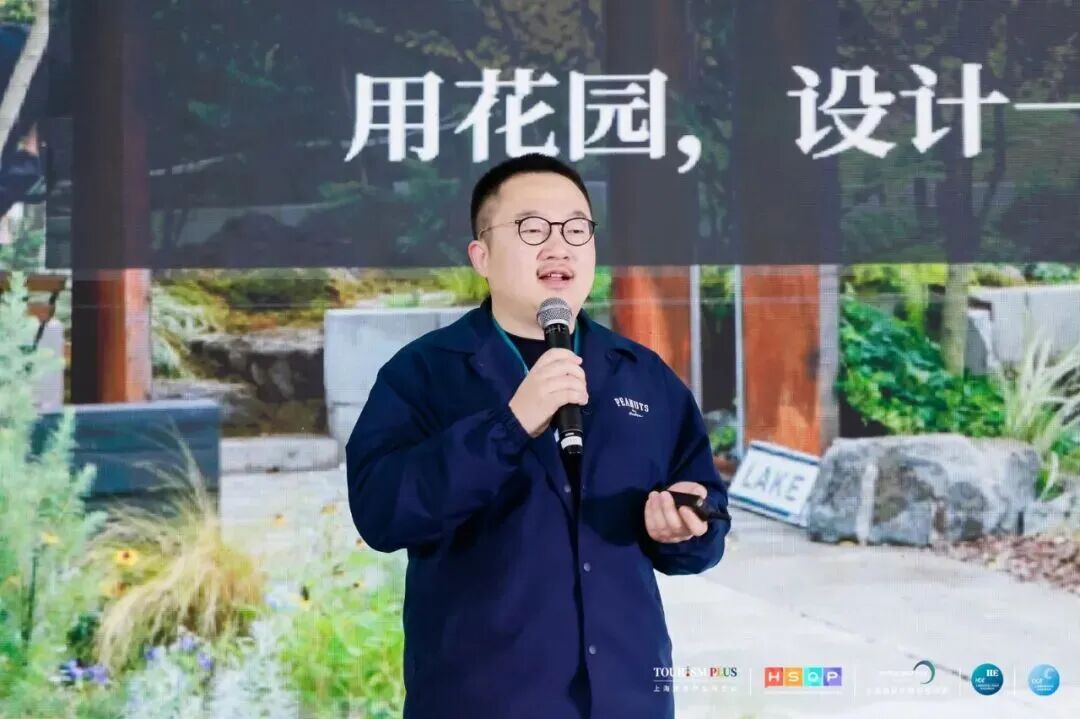
军焰是日本园艺学硕士、英国皇家园艺协会会员,从 2019 年中国花园节”创意花园”金奖到 2025 年花园大会创意花园镀金奖,始终在探索现代庭院与自然契合的可能性。
Jun Yan, Master of Horticulture in Japan and Member of the Royal Horticultural Society (RHS), has been exploring the possibility of integrating modern courtyards with nature, from winning the Gold Award for “Creative Garden” at the 2019 China Garden Festival to the Gilded Award for Creative Garden at the 2025 Garden Conference.
他在论坛上分享了自己在桐乡筹建的”鳗园”——一座承载园艺理想的后花园。从 2024 年常州花园节的”重塑庭隅”展园,到花园鳗公众号和 B 站的大量园艺内容输出,军焰用专业与热爱帮助无数园艺爱好者摸索入坑。
At the forum, he shared his “Eel Garden” built in Tongxiang — a backyard garden that carries his horticultural ideals. From the “Reshaping Courtyard Corners” exhibition garden at the 2024 Changzhou Garden Festival to the massive horticultural content released on Garden Eel’s official WeChat account and Bilibili channel, Jun Yan has used his professionalism and passion to help countless horticulture enthusiasts get started in the field.
核心观点:花园不是炫耀的资本,而是让人停下来的理由。在效率至上的城市节奏中,我们需要一段被植物包围的、可以深呼吸的时光。
Core Insight:A garden is not a capital for showing off, but a reason to pause. In a city rhythm dominated by efficiency, we need a period of time surrounded by plants, a moment to take a deep breath.
2
赵奕|共生共荣:商业业态与自生长植物景观的融合之道
Zhao Yi | Symbiosis and Co-prosperity: The Integration Path of Commercial Formats and Self-growing Plant Landscapes
无尽夏景观创始人 · 自然主义花境践行者
Founder of Endless Summer Landscape · Practitioner of Naturalistic Flower Borders
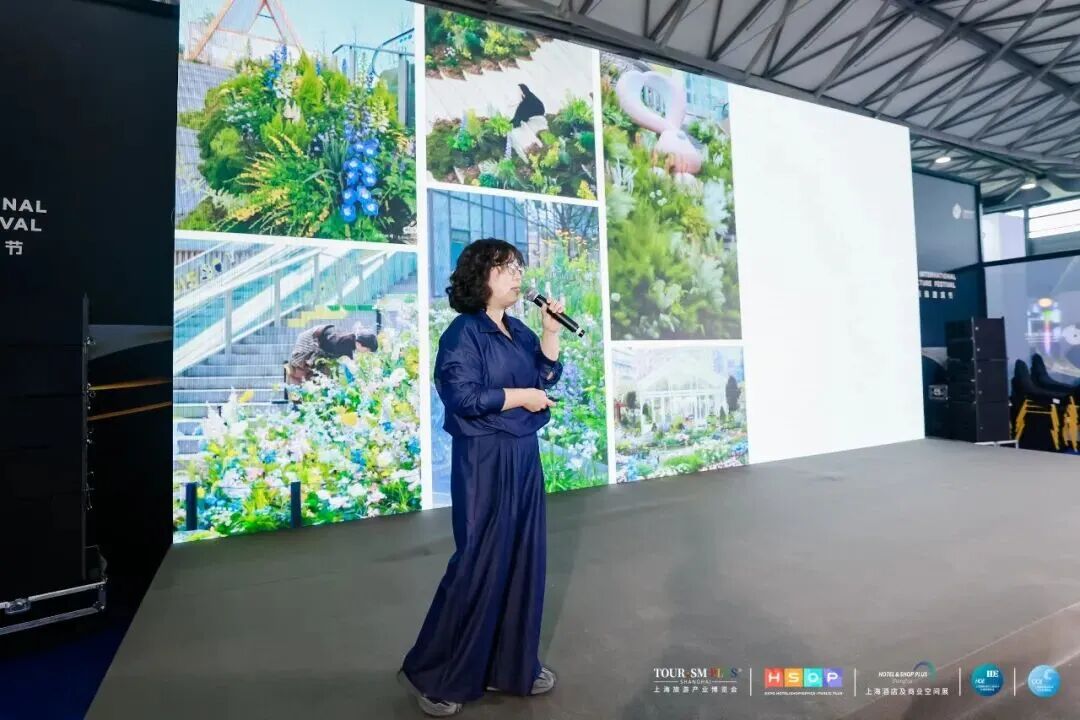
从 2019 年上海中兴路一号的花境设计,到上生新所二期的”都市森林”营造,赵奕老师用她的专业素养和审美追求,在中国房地产项目固化陈旧的局面上”撕出一道裂缝”。
From the flower border design of Shanghai Zhongxing Road No.1 in 2019 to the creation of the “Urban Forest” in Phase II of Columbia Circle, Ms. Zhao Yi, with her professionalism and refined aesthetic vision, has broken the rigid, outdated stereotype of domestic real estate landscape design.
她是长效低维花境理念的倡导者与践行者,致力于探索以中国原生植物为主要用材的”新中式花境”之路。疫情之后,她担任植物顾问的徐汇万科中心、上生新所等项目,成为自然主义走进商业综合体的典范。
As a leading advocate and practitioner of the long-term low-maintenance flower border philosophy, she devotes herself to developing a neo-Chinese flower border style centered on native Chinese plant species. In the post-pandemic era, landmark projects with her as botanical consultant, including Xuhui Vanke Center and Columbia Circle, have set benchmarks for integrating naturalistic landscape into commercial complexes.
核心观点:好的植物景观不是一次性设计完成的结果,而是一个在使用、协作与共创中持续演化与生成的开放系统。平平无奇的植物,在恰当的设计下,也能拥有山水画的意境。
Core Insight:A refined plant landscape is never a one-off finished product, but an open ecosystem that keeps evolving and growing through long-term usage, collaboration and co-creation. Even humble, ordinary plants can embody the poetic conception of traditional Chinese landscape painting with thoughtful design.
3
刘泉|山归徕:山野美学如何成为都市人的情绪容器
Liu Quan | Return to Mountains: How Wilderness Aesthetics Serves as an Emotional Container for Urban Dwellers
TOMASTER 明日大师创始人 · PICKLINK 采采纲目投资人
Founder of TOMASTER Tomorrow Master • Investor of PICKLINK Caicai Gangmu
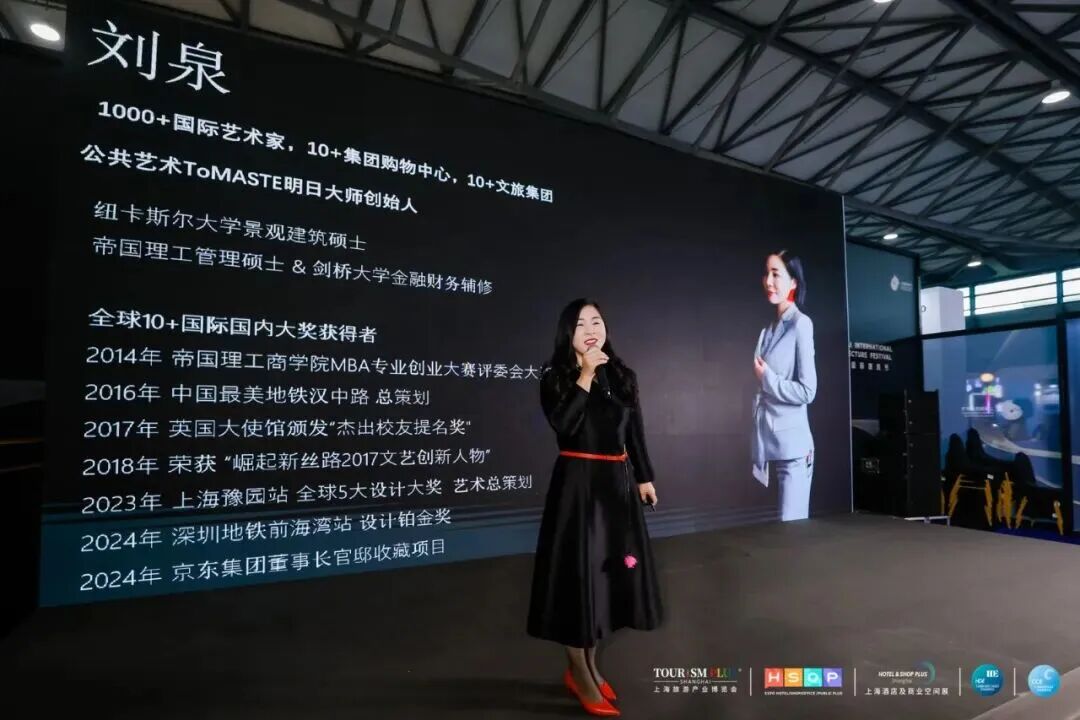
2015 年从伦敦帝国理工毕业,11 年执掌 ToMASTER 明日大师,100 多个项目介入城市空间,20+ 国际奖项——这是刘泉的创业成绩单。上海地铁豫园站、汉中路站的”蝴蝶墙”艺术空间,深圳地铁前海湾站的 MUSE 最高铂金奖,都是她的代表作。
Graduated from Imperial College London in 2015, Liu Quan has led TOMASTER Tomorrow Master for 11 years, with over 100 projects intervening in urban spaces and more than 20 international awards — this is her entrepreneurial resume. Her representative works include the “Butterfly Wall” art spaces at Shanghai Metro Yuyuan Station and Hanzhong Road Station, as well as the MUSE Highest Platinum Award for Shenzhen Metro Qianhaiwan Station.
但在 2024 年,这位”公共艺术推动者”选择了一场出走。她开着房车带着两个孩子深入云贵深山,在海拔 2700 米的阿西里西韭菜坪完成了从”公共艺术推动者”到”情绪价值炼金师”的转型。
However, in 2024, this “promoter of public art” chose to take a departure. She drove an RV with her two children deep into the mountains of Yunnan and Guizhou, and completed her transformation from a “promoter of public art” to an “alchemist of emotional value” at Ailixi Chives Flat, located at an altitude of 2,700 meters.
核心观点:”山不来看我,我自去看山。”山野美学不是逃避,而是一种回归——回归到东方文化的根脉,回归到人最本真的情绪需求。她用中草药潮流艺术品牌 PickLink,探索一条将传统文化、当代艺术与都市人精神需求相融合的”情绪艺术”之路。
Core Insight:“If the mountains will not come to me, I will go to the mountains.” Wilderness aesthetics is not an escape, but a return — a return to the roots of Eastern culture, and a return to people’s most authentic emotional needs. Through her trendy Chinese herbal medicine art brand PickLink, she explores a path of “emotional art” that integrates traditional culture, contemporary art and the spiritual needs of urban dwellers.
4
陈煜初|水生植物:重塑空间的生命力
Chen Yuchu | Aquatic Plants: Reshaping the Vitality of Space
高级工程师 · 水生植物开发利用专家
Senior Engineer · Expert in the Development and Utilization of Aquatic Plants
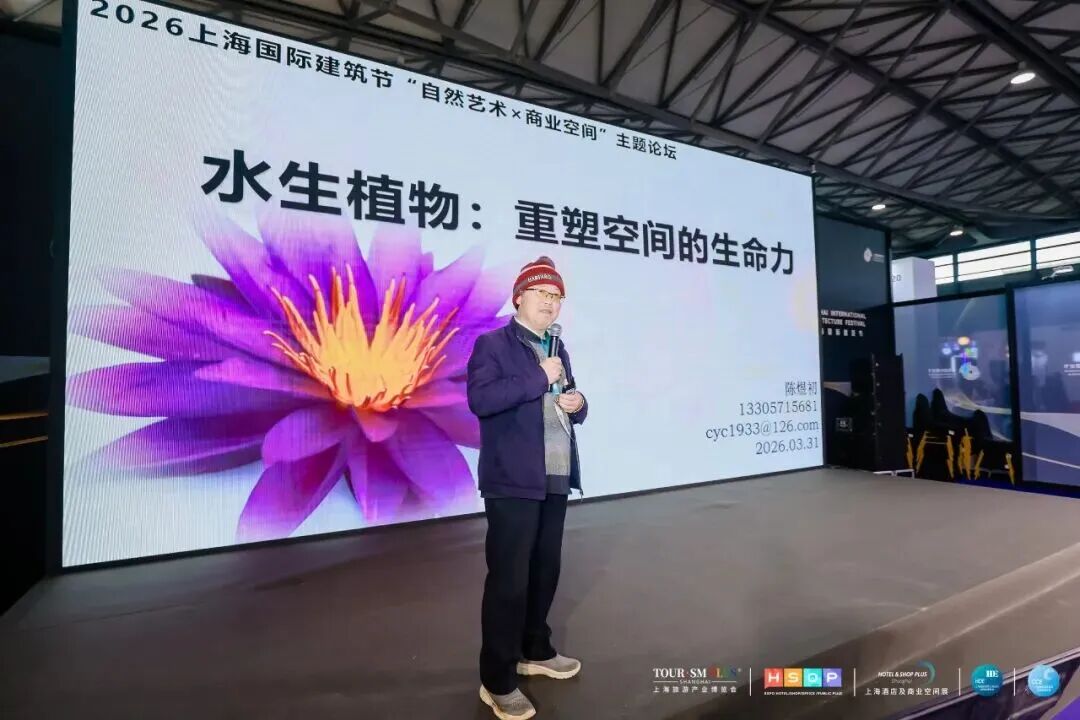
长期从事森林培育、风景区管理和园林等工作,陈煜初先生在水生植物园林应用关键技术研究、新品种选育、濒危物种保育方面有突出贡献。他先后发起组建了杭州市水生植物学会、中国园艺学会水生花卉分会、睡莲产业联盟等组织。
Engaged in forest cultivation, scenic area management and landscape architecture for a long time, Mr. Chen Yuchu has made outstanding contributions to the research on key technologies for the garden application of aquatic plants, the breeding of new varieties, and the conservation of endangered species. He has successively initiated and established organizations such as the Hangzhou Aquatic Plant Society, the Aquatic Flower Branch of the Chinese Society of Horticultural Science, and the Water Lily Industry Alliance.
国家林草局乡土专家、中国风景园林学会科学传播专家、中国花木产业年度人物……一个个头衔背后,是 40 余项专利、170 余篇论文、16 部著作的学术积淀,更是发现 2 个植物新物种、选育 41 个新品种的实践成果。
Native Expert of the National Forestry and Grassland Administration, Science Communication Expert of the Chinese Society of Landscape Architecture, Annual Figure of China’s Flower and Tree Industry… Behind these titles lies an academic accumulation of more than 40 patents, over 170 papers and 16 works, as well as practical achievements including the discovery of 2 new plant species and the breeding of 41 new varieties.
核心观点:水生植物不仅是景观元素,更是生态系统的重要组成部分。它们能够净化水质、调节微气候、为生物提供栖息地,是重塑空间生命力的关键力量。
Core Insight:Aquatic plants are not only landscape elements, but also an important part of the ecosystem. They can purify water quality, regulate microclimate, provide habitats for organisms, and are the key force to reshape the vitality of space.

核心议题回顾
Core Topics Review

议题一|自然共生
Topic 1 | Natural Symbiosis
当城市不断向上生长,人却在逐渐远离自然。我们习惯于功能与效率,却忽略了空间本该承载的感知、情绪与停留的意义。
As cities keep growing upward, people are gradually drifting away from nature. We are accustomed to functionality and efficiency, yet we overlook the significance that spaces should inherently carry — perception, emotion, and the meaning of pausing.
军焰的花园鳗品牌,追求庭院与自然的契合;赵奕的自然主义花境,倡导植物群落的自我演替;陈煜初的水生植物研究,关注生态系统的完整性——三位嘉宾从不同角度诠释了”共生”的内涵。
Jun Yan’s Garden Eel brand pursues the integration of courtyards with nature; Zhao Yi’s naturalistic flower borders advocate the self-succession of plant communities; Chen Yuchu’s research on aquatic plants focuses on the integrity of ecosystems — the three guests interpreted the connotation of “symbiosis” from different perspectives.
议题二|艺术赋能
Topic 2 | Art Empowerment
“自然艺术”并不是简单的绿化或装饰,而是一种以自然为媒介的空间表达方式。它让风、光、植物、时间,成为可以被感知、被参与、被记住的体验内容。
“Natural art” is not a simple form of greening or decoration, but a spatial expression method that takes nature as the medium. It turns wind, light, plants and time into perceivable, participatory and memorable experience content.
刘泉的山野美学实践,将原生本草与非遗技艺结合,创造出具有情绪疗愈功能的艺术作品。这种”情绪艺术”的探索,为商业空间提供了新的价值维度。
Liu Quan’s practice of wilderness aesthetics combines native Chinese herbs with intangible cultural heritage (ICH) techniques to create works of art with emotional healing functions. This exploration of “emotional art” provides a new value dimension for commercial spaces.
议题三|可持续实践
Topic 3 | Sustainable Practices
从中兴路一号的多样性种植典范,到上生新所的野生美学更新,再到徐汇万科中心的山林意境——赵奕老师的案例展示了可持续植物景观如何在商业项目中落地。
From the exemplary diverse planting at Shanghai Zhongxing Road No.1, to the wild aesthetic renewal of Columbia Circle, and the mountain forest charm of Xuhui Vanke Center, Ms. Zhao Yi’s cases demonstrate how sustainable plant landscapes can be implemented in commercial projects.
低维护、自生长、本土化,这些关键词背后,是对传统高投入、高维护景观模式的反思与革新。
With low maintenance, self-sustaining growth and localized species as the core principles, her practice reflects profound reflection and innovative breakthroughs against the traditional high-cost, high-maintenance landscape model.

趋势展望
Trend Outlook

基于本次论坛的讨论,可以总结出2026 年商业空间设计的 5 大趋势:
Based on the discussions of this forum, five major trends in commercial space design for 2026 can be summarized as follows:
趋势 1|情绪价值优先
Trend 1 | Emotional Value First
空间设计从”好看”转向”好感受”,关注用户的情绪体验与心理需求。山野美学、疗愈花园、冥想空间将成为标配。
Space design is shifting from “visual appeal” to “sensory experience”, focusing on people’s emotional feelings and psychological needs. Wilderness aesthetics, healing gardens and meditation spaces will become standard configurations.
趋势 2|自生长景观
Trend 2 | Self-growing Landscape
植物景观从”一次性设计”转向”持续性演化”,允许植物自然生长、自我更新,形成独特的时间痕迹。
Plant landscapes evolve from one-off design to continuous natural succession. Allowing plants to grow and renew spontaneously creates unique temporal textures imprinted by time.
趋势 3|本土化表达
Trend 3 | Localized Expression
使用本土植物、本土材料、本土工艺,避免千城一面的国际化风格,打造有地域特色的空间语言。
Adopt native plants, local materials and regional crafts to break the homogeneous international style of identical cities, and build spatial language with distinctive regional characteristics.
趋势 4|跨界融合
Trend 4 | Cross-boundary Integration
园艺、艺术、商业、科技的边界日益模糊,跨领域合作成为创新的主要来源。
The boundaries between horticulture, art, business and technology are increasingly blurred. Cross-disciplinary collaboration has become a core driver of innovation.
趋势 5|参与式营造
Trend 5 | Participatory Creation
用户不再是被动的使用者,而是主动的参与者。社区花园、共建景观、互动装置让用户成为空间的共同创造者。
Users are no longer passive occupants but active participants. Community gardens, co-created landscapes and interactive installations enable people to become co-creators of urban spaces.
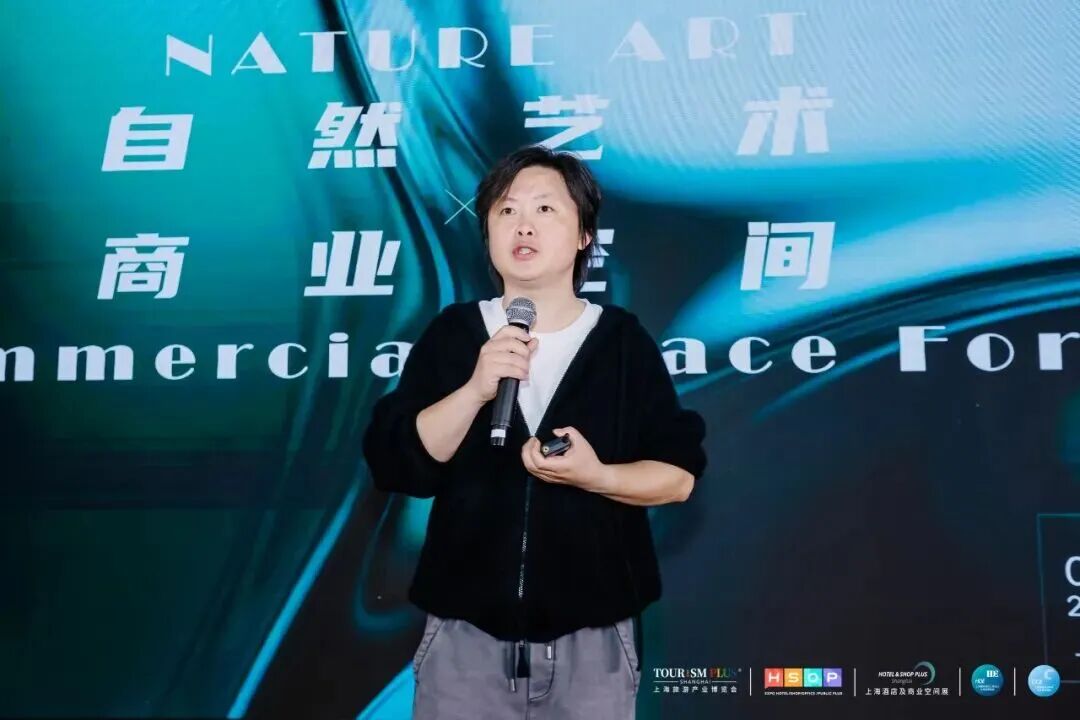

精彩瞬间
Moments of Splendor

感谢四位主讲嘉宾的精彩分享,感谢主持人唐仕先生的专业引导,也感谢每一位到场交流的观众。
We would like to thank the four keynote speakers for their wonderful sharing, Mr. Tang Shi, the host, for his professional guidance, and every audience member present for their participation and exchange.
这场论坛虽然只有三个小时,但它所引发的思考与讨论,将在未来的项目实践中持续发酵。
Though the forum lasted merely three hours, the reflections and discussions it inspired will continue to resonate in future project practices.
自然艺术×商业空间的故事,才刚刚开始。
The story of
Natural Art × Commercial Space
has only just begun.